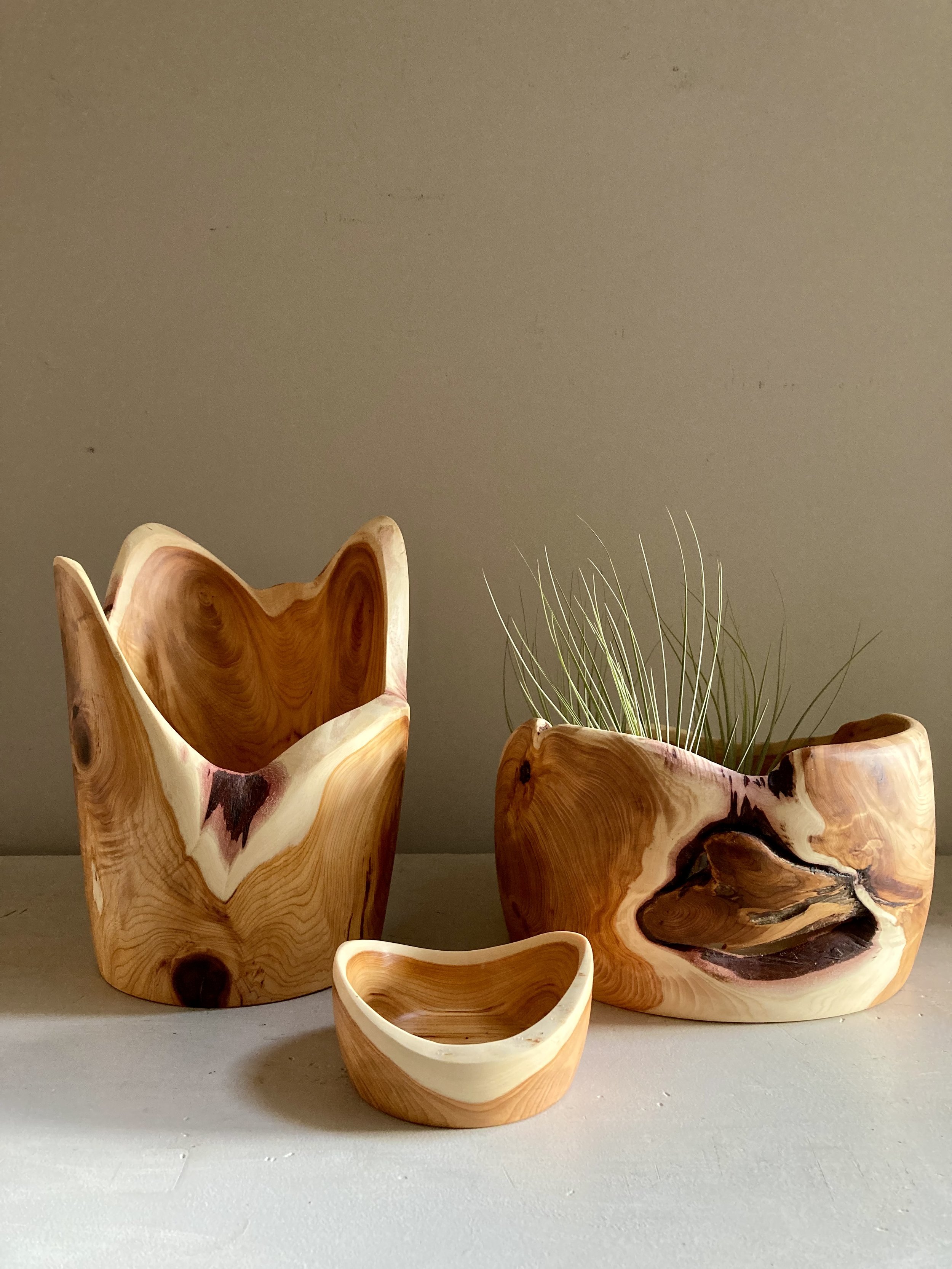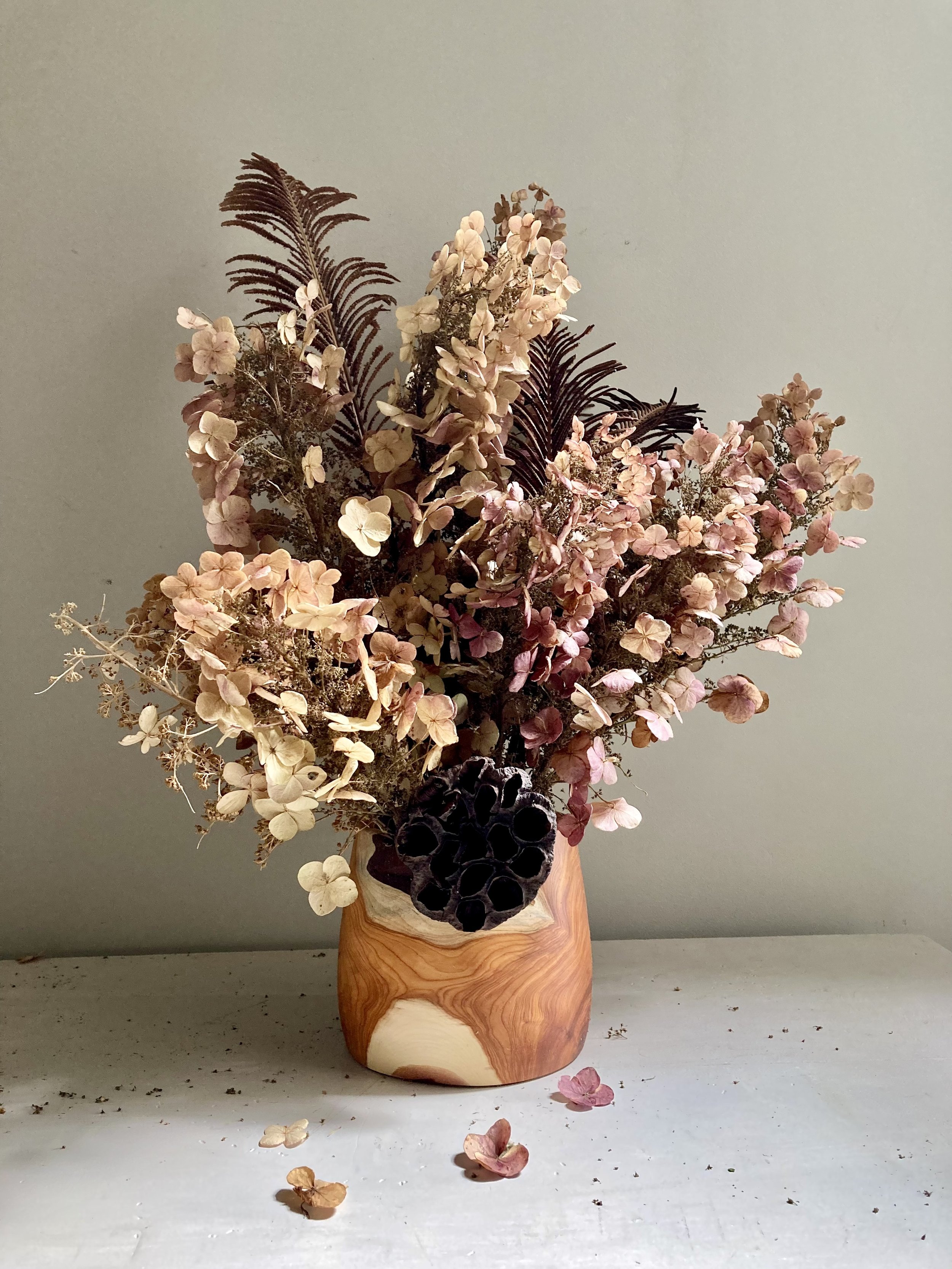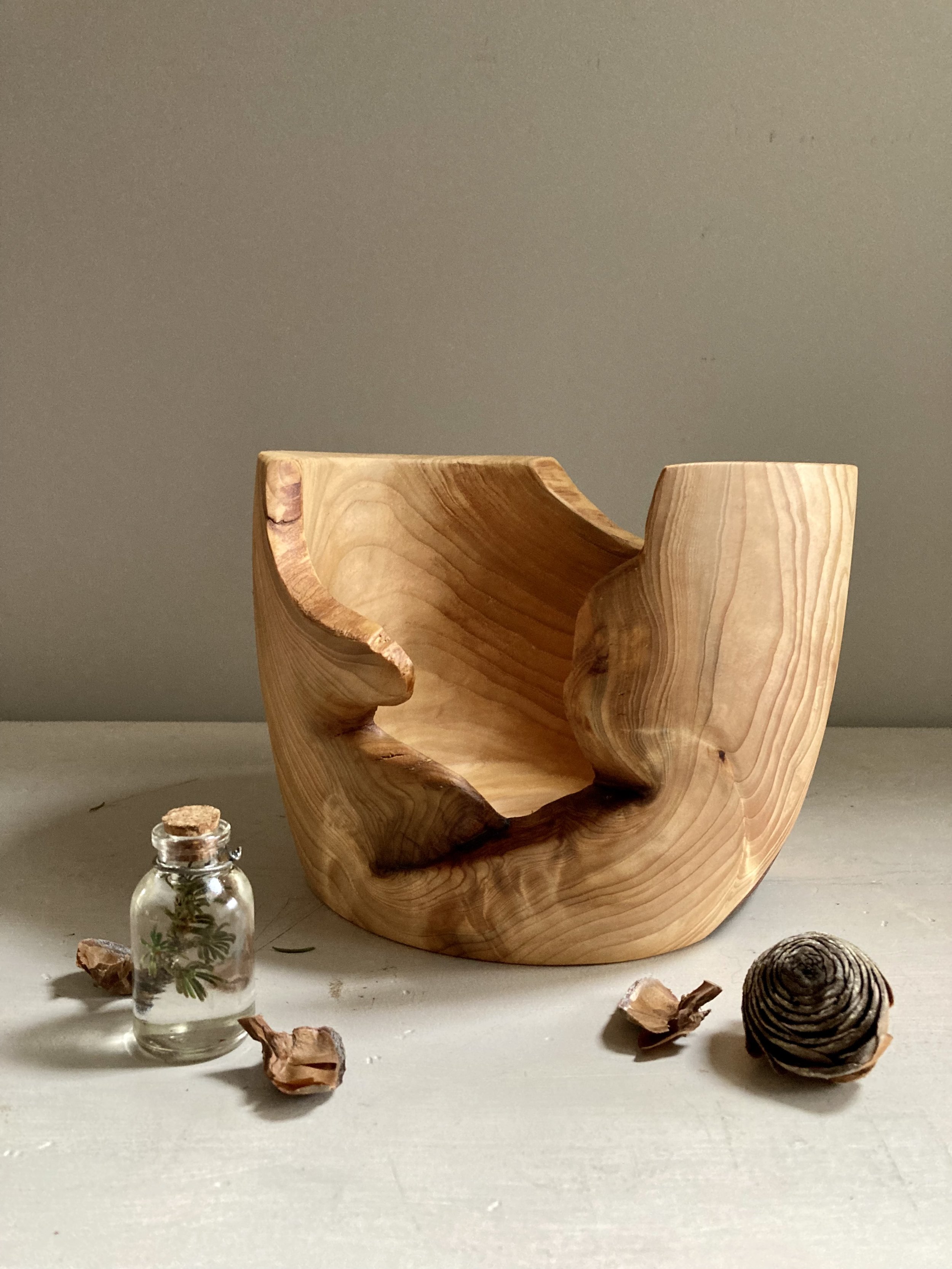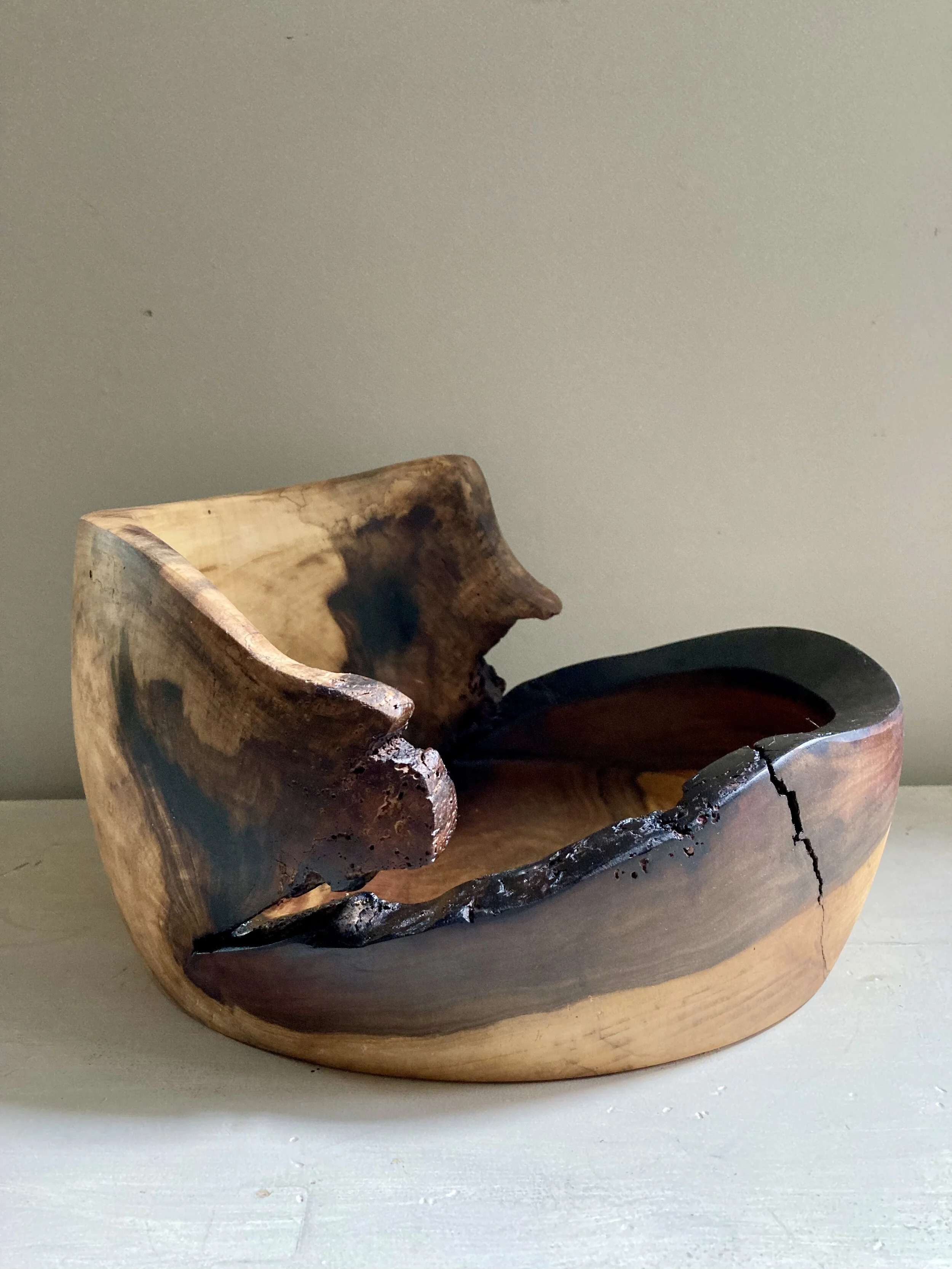
Siebold (Japanese Yew from Tyler Arboretum), $124

Siebold (Japanese Yew from Tyler Arboretum), $124
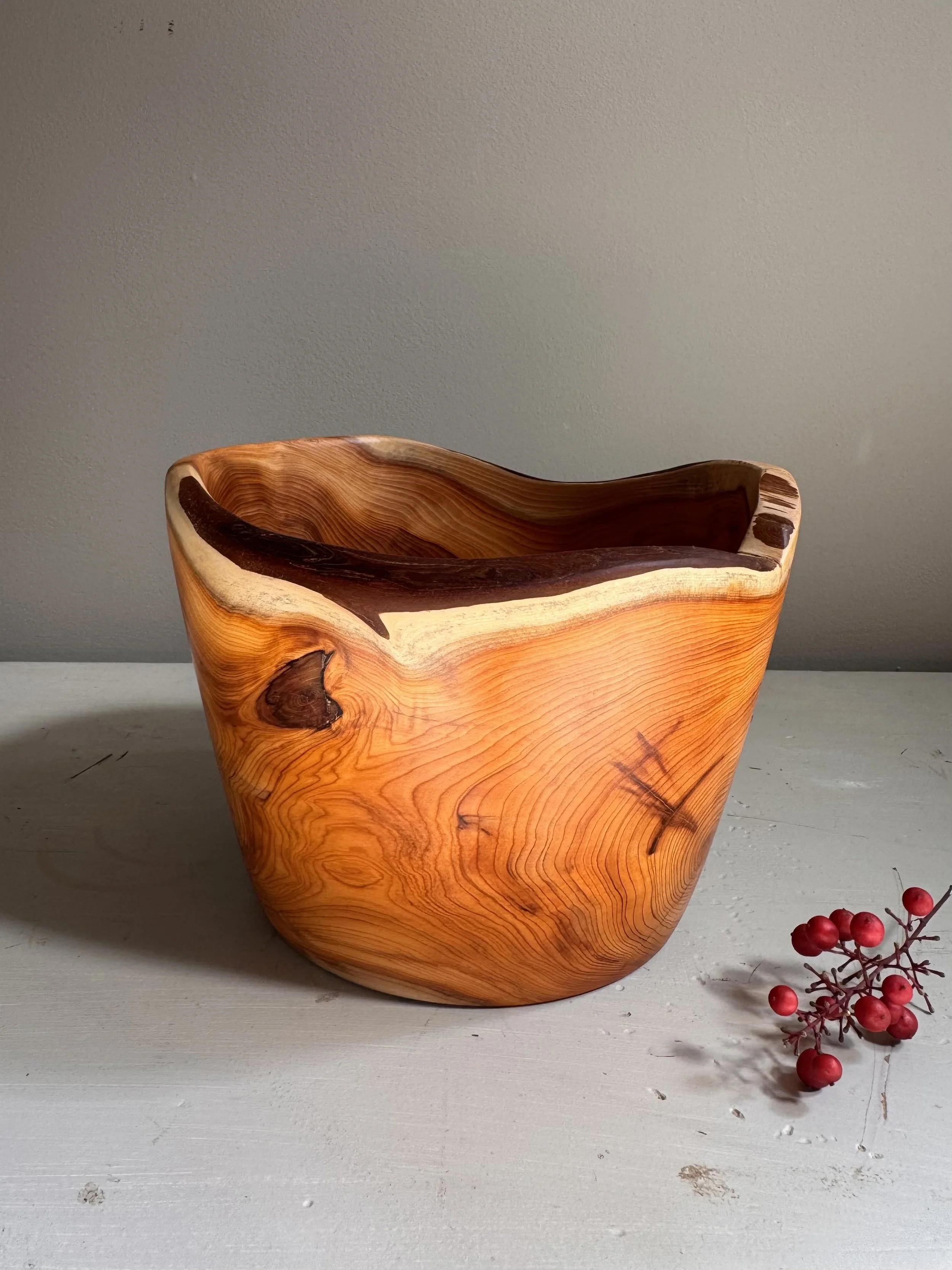
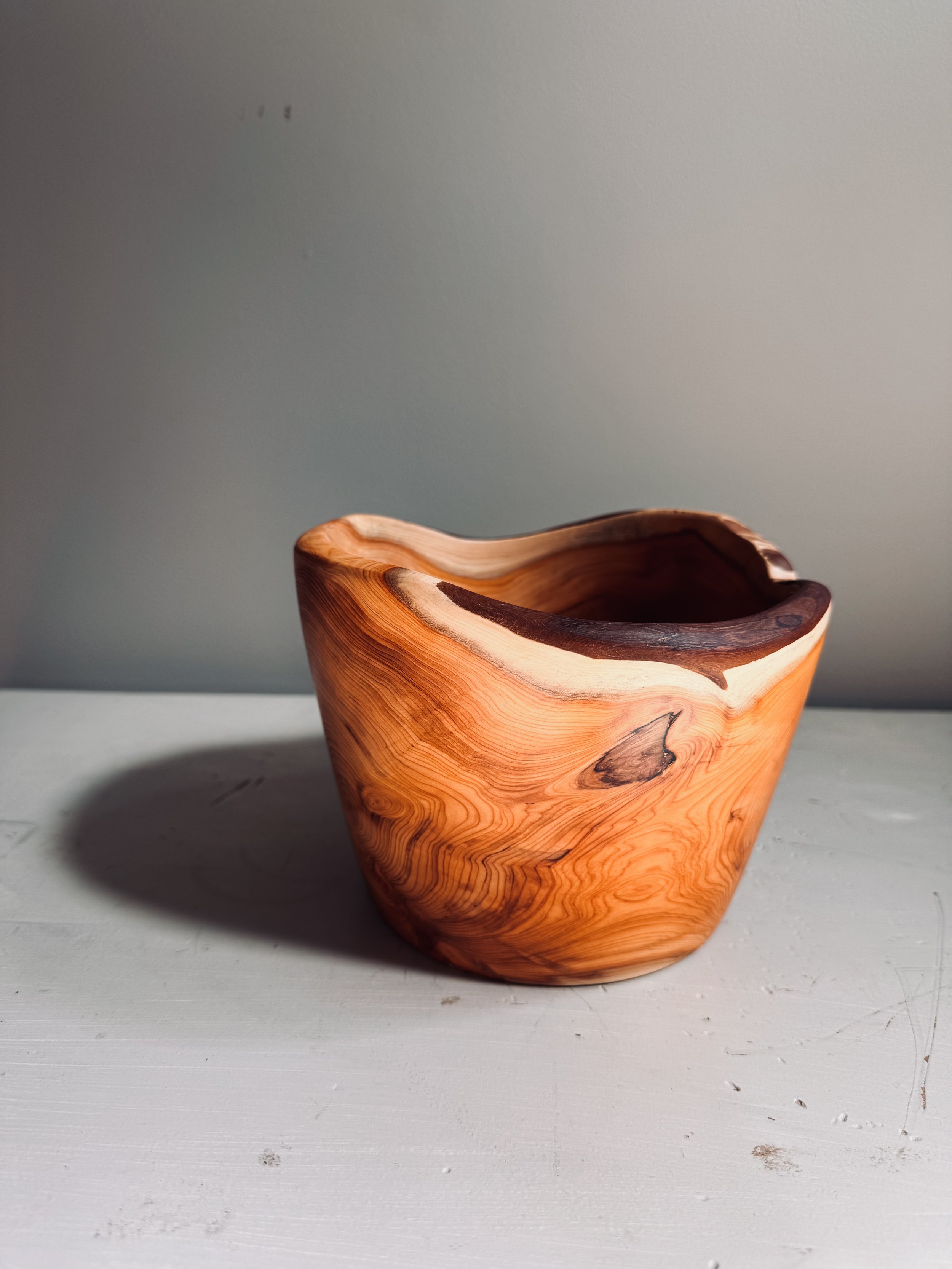
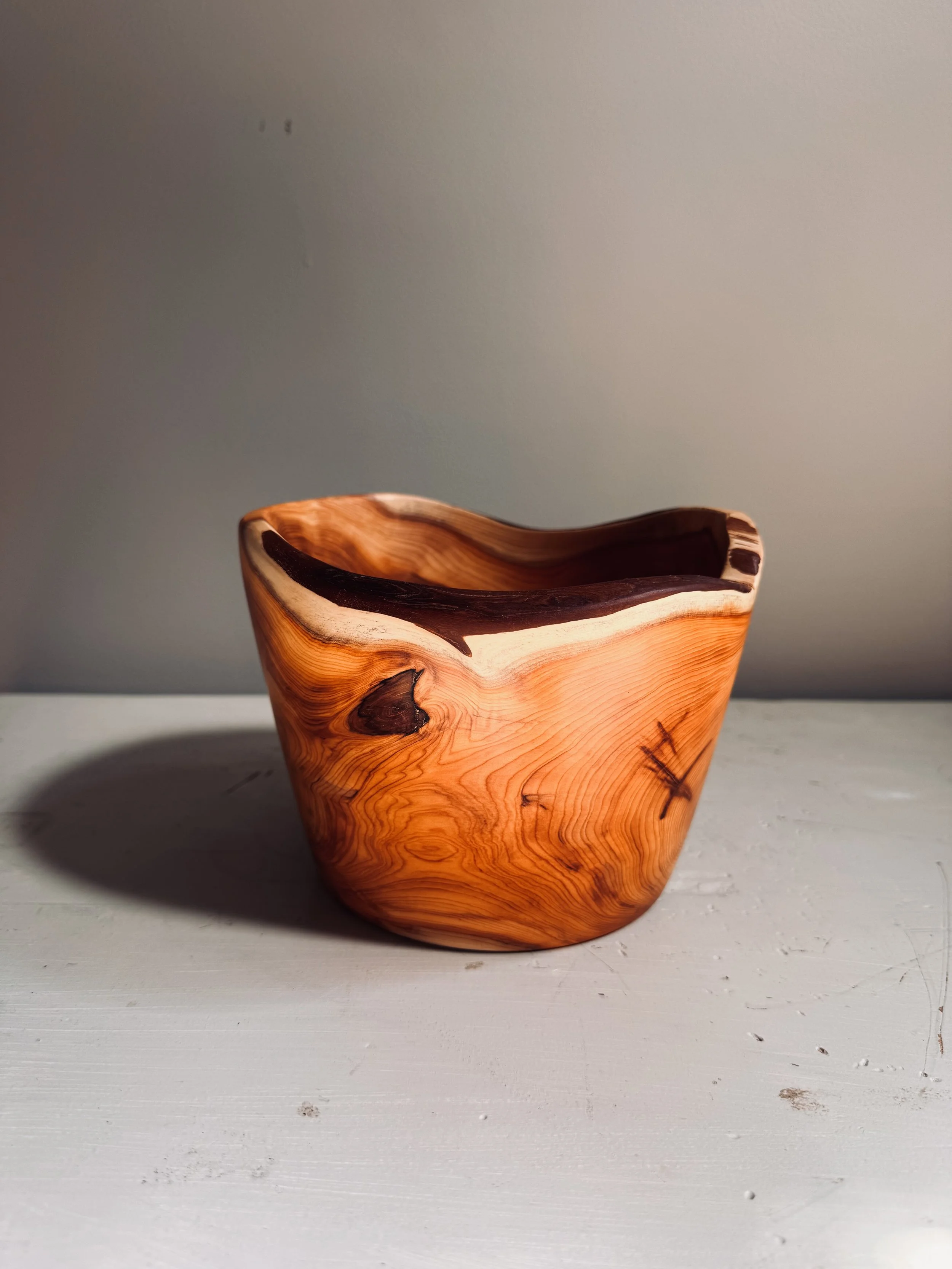
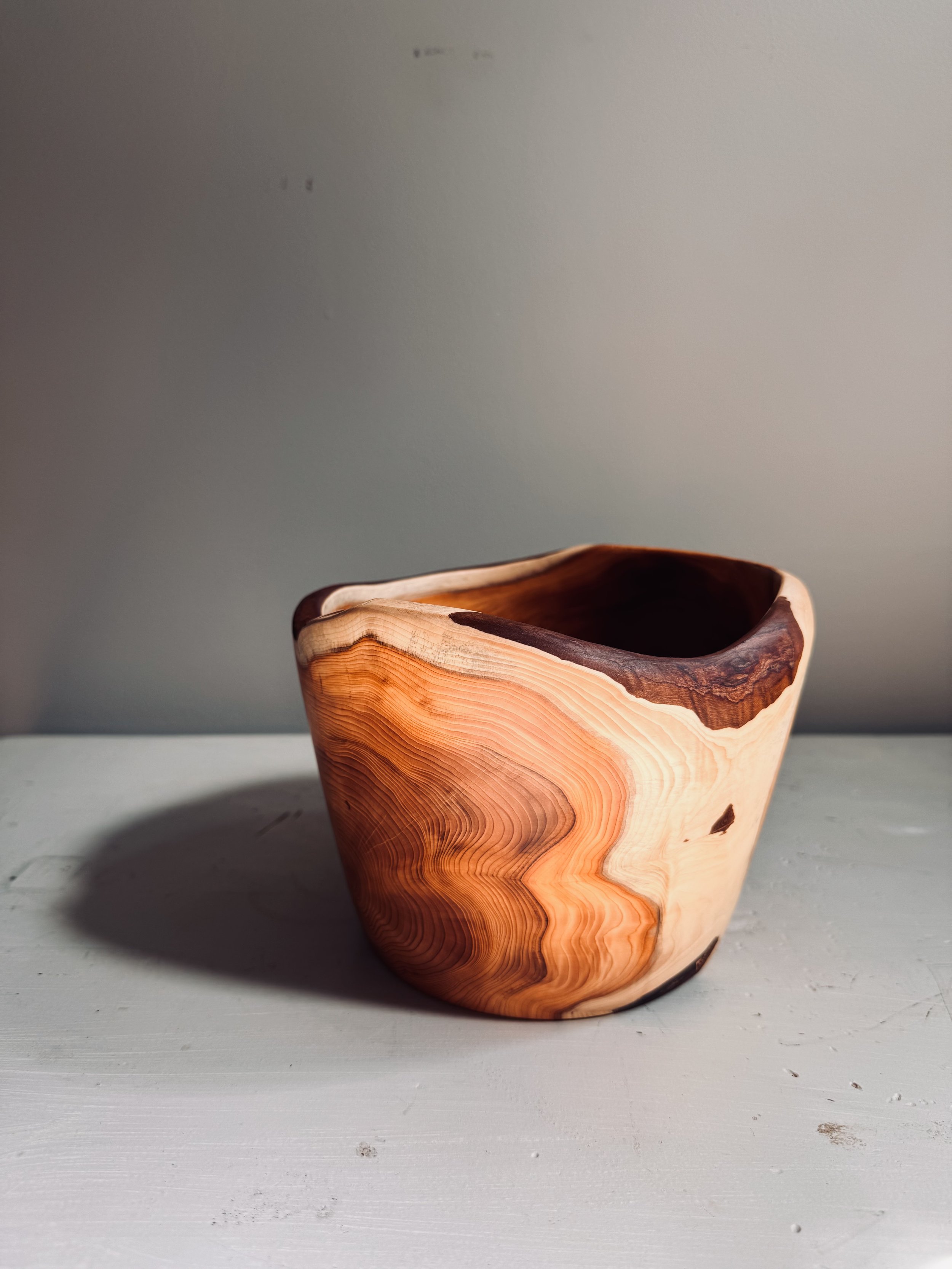
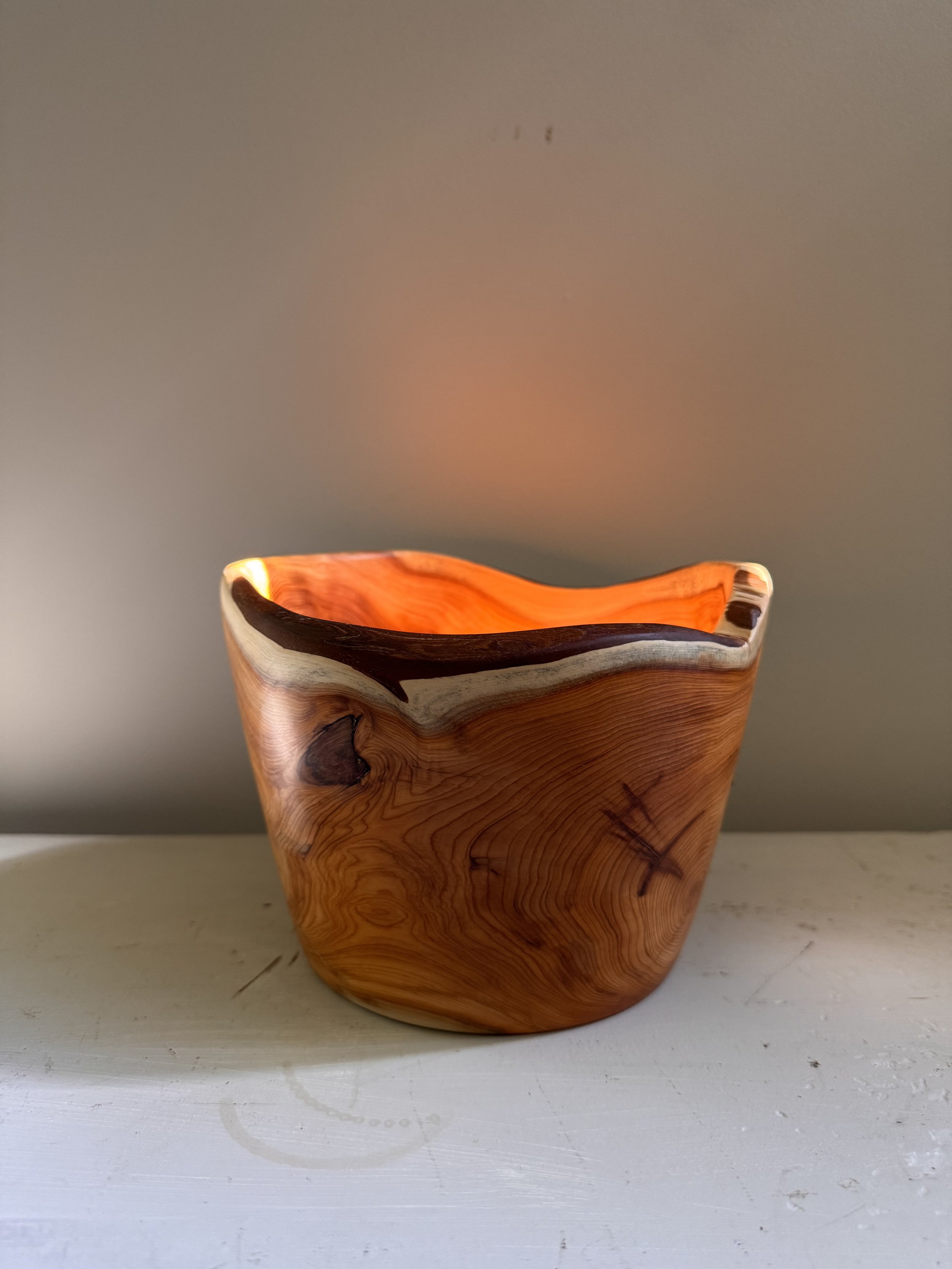
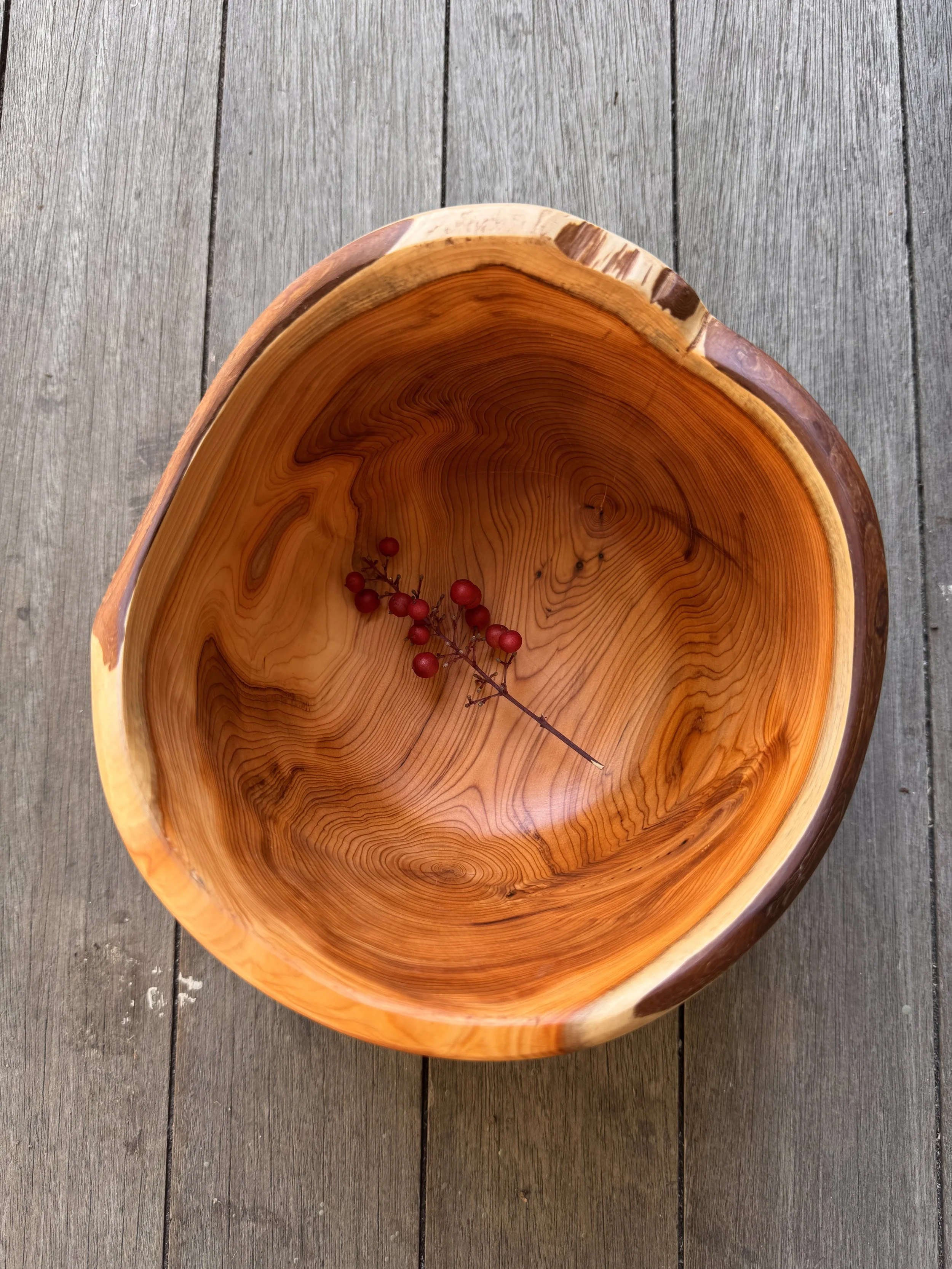
Handcrafted from a fallen Japanese Yews that was planted in the 1940’s at Tyler Arboretum, This bowl is unique with its beautiful grain pattern and deep orange color. Approximately 6.75-7” in diameter x 5-5.25” deep. Carefully sanded and finished with Betty’s Board Butter. Movement in the wood is normal and considered part of its charm. Clean with a damp cloth. Dry immediately. Re-oil occasionally.
In 1826, botanist and physician Philipp Franz von Siebold noticed the Japanese Yew’s ability to thrive in harsh winter climates in Nagasaki and Edo (now Tokyo) and thought it had great commercial potential for the gardens of wealthy European landowners.
One of the biggest hurdles was transporting live specimens across the oceans in ships powered only by wind. Siebold adopted some Japanese bonsai techniques to condition the plants prior to shipping and made miniature portable greenhouses - custom wooden boxes with thick glass tops - to protect the specimens from the elements but allow them some sunlight during the journey.
Meanwhile, in 1828, Siebold was arrested for possession of forbidden maps, accused of treason and being a Russian spy. After a year-long trial during which he was under house arrest (rather than being imprisoned), he was sentenced to ignominious banishment and left Japan with his plants, which were fully packed by this time.
After a quick (4 week) sail to Batavia (now Jakarta), where he let the plants rest and recover for a month, he reloaded them onto another ship for the 4 month journey around Africa to Holland.
30 years later, Siebold returned to Japan after the US and Europe forced Japan to open its borders. He was reunited with his Japanese partner and their daughter, who was a toddler when he was banished. His daughter later made history as the first female Japanese doctor trained in western medicine, thanks to Siebold’s guidance.
Please note: Yew has some toxic properties, so this bowl is not considered food safe. It is intended for decorative use only and make a beautiful addition to any home.